




A Beginner's Guide to Tide Pooling on Rocky Shores
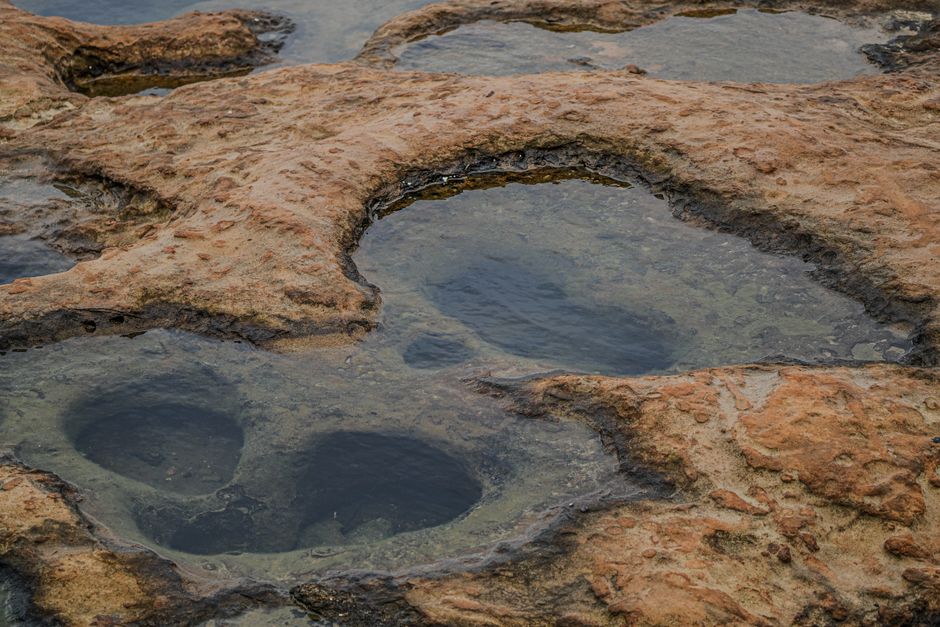
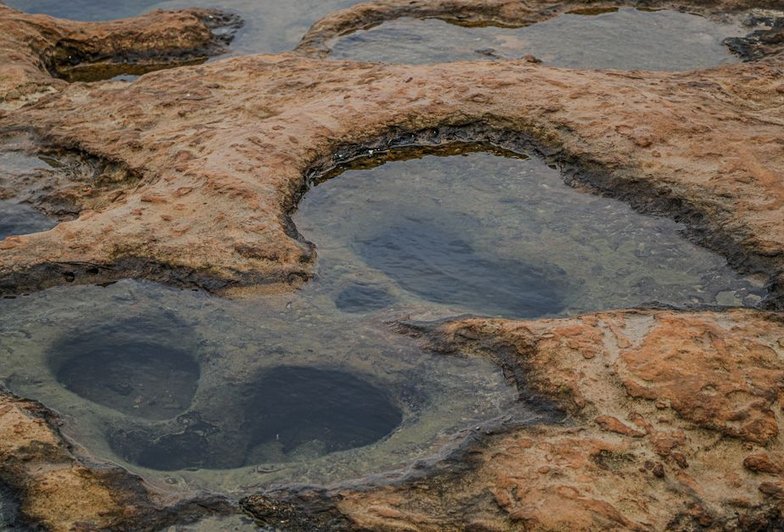
At first glance, a rocky shore at low tide looks like nothing more than a jumble of wet stone. Look closer, though, and you'll find one of the most accessible and fascinating ecosystems on the planet. Tide pools are windows into the ocean's shallow life, and you don't need any special equipment to explore them, just patience, curiosity, and a respect for the creatures that call them home.
The best time to go is during a low tide, especially a negative low tide, when the water pulls back further than usual and exposes zones that are normally submerged. Tide charts are available online or at local bait shops, and they tell you exactly when the water will be at its lowest. Arriving an hour before the low gives you time to watch the water recede and reveal the pools one by one.
What You Might Find in a Tide Pool
Every pool is its own tiny neighborhood. Hermit crabs drag borrowed shells across the bottom while anemones wave their tentacles like underwater flowers. Sea stars cling to the sides of rocks, and small fish dart for cover when your shadow passes over the water. You might spot limpets clamped tight to the stone, barnacles filtering the water with feathery legs, or a curious octopus if you're very lucky and very quiet.
The key to seeing more is to move slowly and look carefully. Sit still beside a pool for a few minutes and the inhabitants will forget you're there, resuming their small dramas of hunting and hiding. Bring a small magnifying glass if you have one, since much of the most interesting life is only a few centimeters across.
There are a few important rules to follow. Never pry an animal off a rock, since many cling with a grip that damages them when removed. Don't turn over large stones unless you can put them back exactly as you found them, because the underside is a habitat for creatures that need darkness and moisture. And keep your hands wet and cool if you handle anything at all, since human skin is warmer than the sea.
Staying Safe and Leaving No Trace
Rocky shores can be slippery and unpredictable. Wear shoes with good grip, never turn your back on the ocean, and keep an eye on the incoming tide, which can cut off your route back to dry sand faster than you'd expect. Go with a friend if you can, and tell someone where you're headed.
The tide pool ethic is simple: take only photographs and memories, leave only footprints that the next tide will erase. These fragile places are under pressure from pollution, warming water, and heavy foot traffic, so the way you visit matters. Stick to durable surfaces, avoid trampling delicate algae, and pack out everything you bring in.
Done right, tide pooling is one of the most rewarding things you can do at the coast. It costs nothing, requires no reservation, and turns an ordinary beach walk into a genuine expedition. All you have to do is show up at the right hour and pay attention to the small, strange, wonderful world at your feet.







Low tide reveals a whole hidden world along the rocks, and exploring it well takes just a little know-how.
The best seafood in any coastal town is rarely at the fanciest restaurant, so here's how to find where the locals actually eat.
A seaside trip rewards a light bag, so here's a practical packing list built around layers, salt air, and sand.
Setting an early alarm at the beach feels like a sacrifice until you see what the first hour of daylight actually offers.
Slower, sometimes pricier, and utterly worth it — why the water route beats the highway every time.