




How to Eat Like a Local in a Fishing Village
Every coastal town has two kinds of restaurants: the ones with the big signs and the view, and the ones where the fishermen eat. Learning to tell them apart, and to find the second kind, is one of the great skills of seaside travel. The difference is usually not just in the price but in the freshness, the honesty, and the stories that come with the meal.
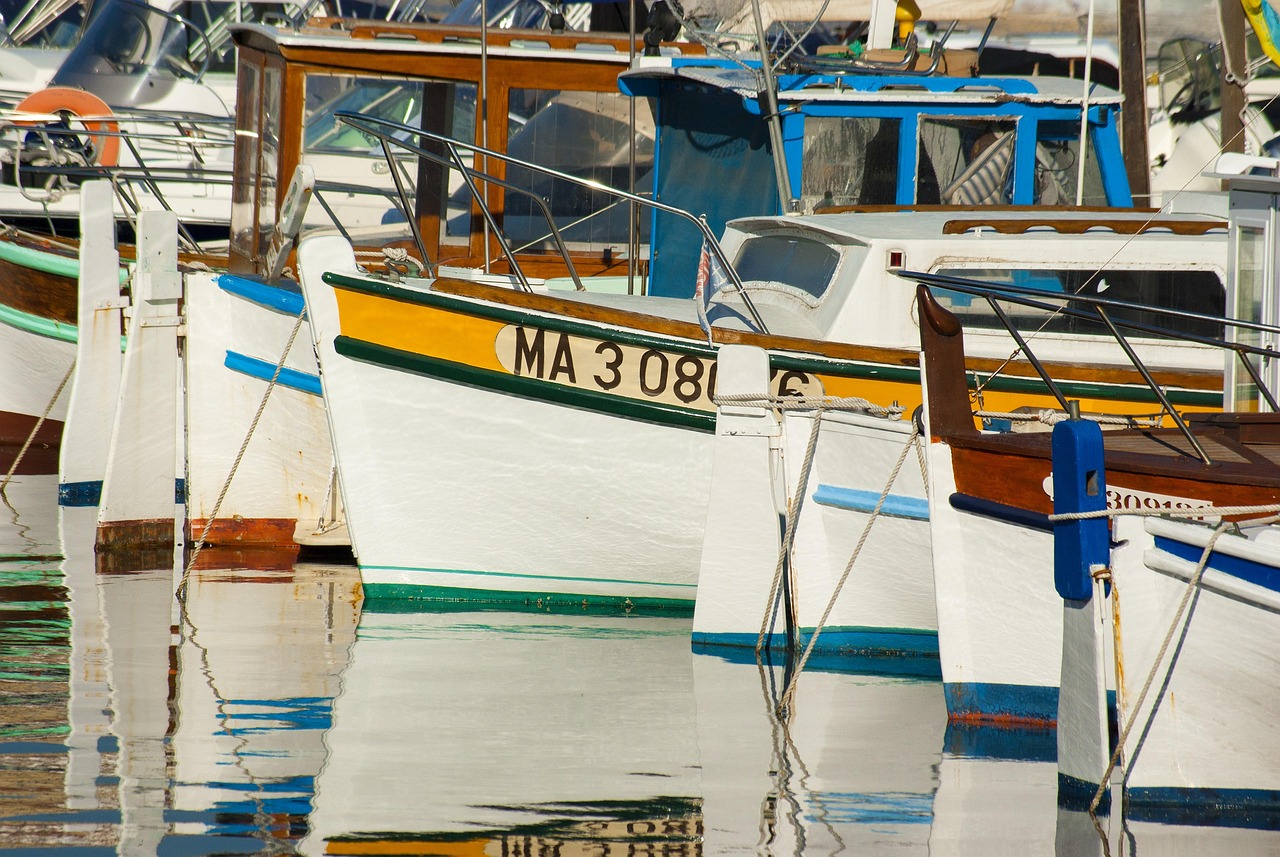
Start your search at the harbor. Wherever boats are unloading their catch, there is almost always a small operation nearby selling food to the people who work the water. It might be a counter in a fish market, a food truck parked by the docks, or a plain dining room with plastic chairs and no website. These places don't need to advertise. Their customers come back because the fish was swimming that morning.
Reading the Signs of a Good Seafood Spot
A short menu is usually a good sign. If a restaurant serves fried shrimp, pizza, and tacos, the kitchen is probably not specializing in anything. A place that offers whatever came off the boats that day, prepared simply, is telling you something important about its priorities. Look for a chalkboard listing the catch, or a server who can tell you which boat brought in the halibut.
Timing matters too. Ask around about when the fleet comes in, and try to eat soon after. In many villages, the best lunch is on a weekday, when the working crowd fills the tables and the kitchen is at its sharpest. Weekend evenings are often when the tourists arrive, and sometimes the quality slips under the pressure.
Don't overlook the humble options. A fish and chips window with a line of locals is a better bet than a white-tablecloth spot with an empty dining room. The same goes for markets, where you can often buy cooked crab or smoked fish to eat on a bench overlooking the water. Some of my best coastal meals have cost less than a cup of coffee back home.
What to Order and How to Ask
When in doubt, ask what's local and what's in season. Fishermen and cooks are usually happy to steer you toward the best choice, and the answer changes with the months. In some places, that means Dungeness crab in winter, halibut in summer, or oysters in any month with an R in it, depending on where you are.
Order the whole fish if it's offered. It takes a little more work to eat, but it's usually the freshest preparation and the best value. Pair it with whatever the region does well: a crisp local white, a cold beer, or just a squeeze of lemon. Simple is almost always right when the ingredient is this good.
Finally, talk to people. Ask the person behind the counter where they eat on their day off. Ask the deckhand which spot he trusts. These conversations are how you find the places that never make it into guidebooks, and they are often the meals you remember longest after you've gone home.




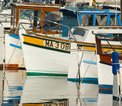

The best seafood in any coastal town is rarely at the fanciest restaurant, so here's how to find where the locals actually eat.
A seaside trip rewards a light bag, so here's a practical packing list built around layers, salt air, and sand.
Setting an early alarm at the beach feels like a sacrifice until you see what the first hour of daylight actually offers.
Slower, sometimes pricier, and utterly worth it — why the water route beats the highway every time.
A few quiet signals — piers, parking, shop signs — tell you more about a coastal town than any review site.