




Why Sunrise Is the Best Hour on the Coast

Most people go to the coast for the sunset. It's understandable: the evening light is dramatic, the colors are bold, and there's something romantic about watching the day end over the water. But the sunrise crowd knows a secret. The first hour of daylight at the shore is quieter, softer, and in many ways more beautiful than anything the evening can offer.
The trouble is that sunrise requires an alarm, and on vacation, alarms feel like a betrayal. I resisted for years. Then, on a trip where jet lag woke me before dawn, I wandered down to the beach with a cup of coffee and discovered a version of the coast I had never seen. The water was glassy. The air was cool and still. A single heron stood in the shallows, and the only sound was the smallest possible surf.
What Makes the Early Hours Different
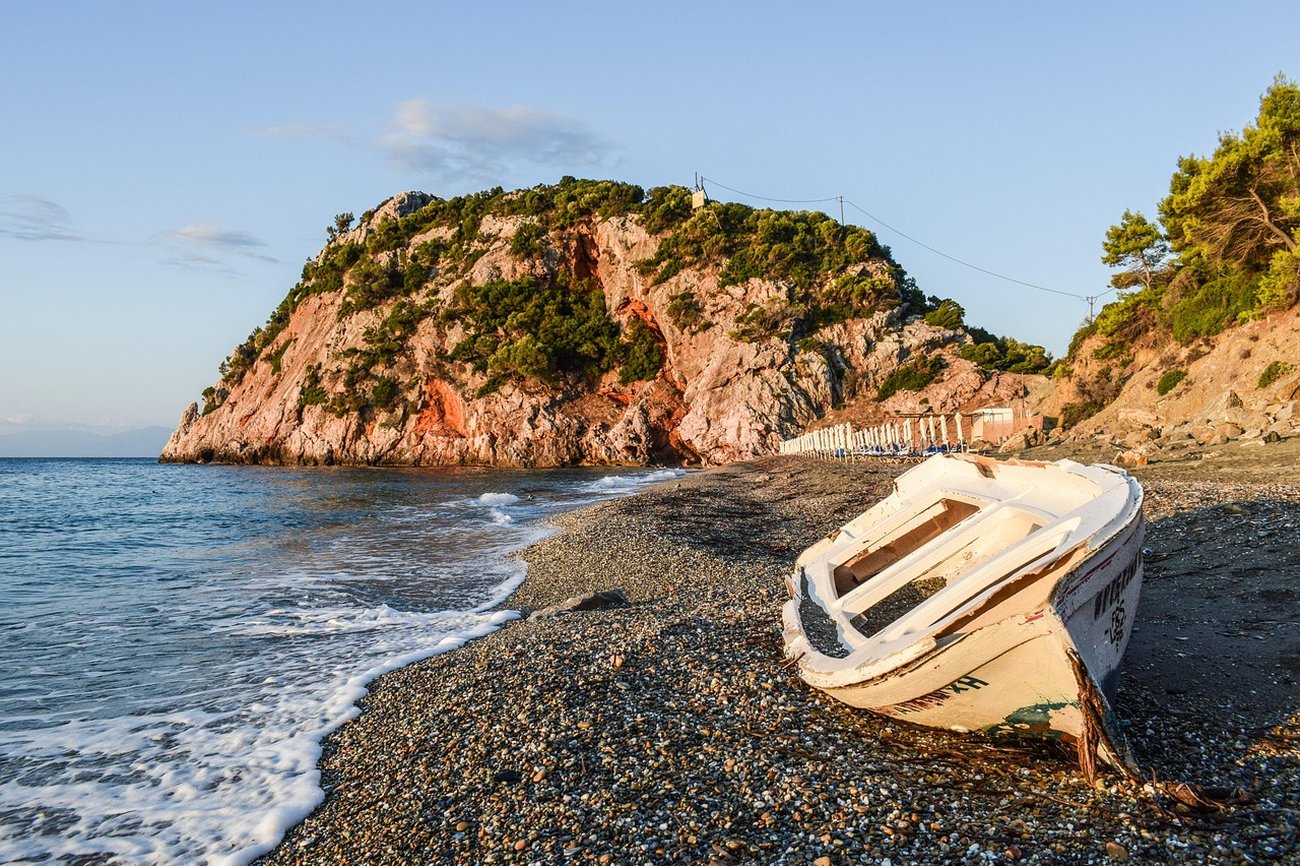
The light is the first thing you notice. At sunrise, the sun comes in low and gentle, painting the sand in pinks and golds rather than the harsh white of midday. Shadows are long and soft. Everything looks slightly unreal, like a photograph that hasn't finished developing. Photographers call this the golden hour, and at the coast it lasts a little longer because the ocean reflects and diffuses the light.
The wildlife is different too. Early morning is when shorebirds feed, when dolphins are most active near the shore, and when the beach belongs to the animals rather than the people. You'll see tracks in the sand that will be gone by noon: the neat lines of gulls, the strange patterns left by crabs, sometimes the deep prints of a fox or raccoon that came down to scavenge in the dark.
And then there's the emptiness. A beach at sunrise is a rare kind of solitude. You might share it with a few joggers, a fisherman casting into the surf, and a couple of other early risers who nod at you like members of a quiet club. There is no competition for space, no noise, no need to do anything but be there.
How to Actually Get Up for It
The practical challenge is obvious, so make it easy on yourself. Check the sunrise time the night before and set your alarm for twenty minutes before it. Lay out your clothes and prepare a thermos of coffee or tea so you can leave the room without thinking. If you're traveling with someone, agree in advance that you'll go even if one of you sleeps in.
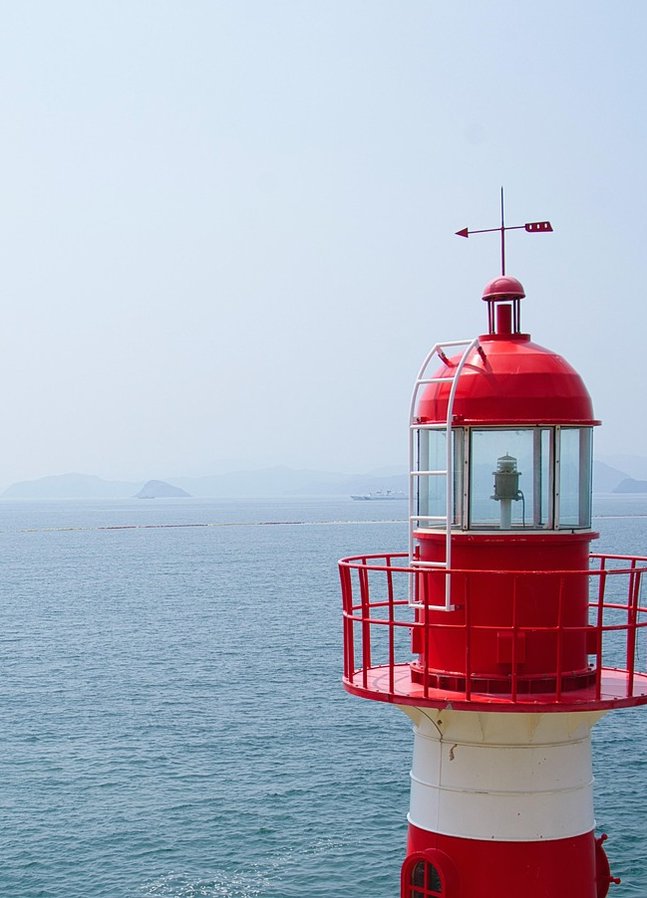
Walk to a spot with a clear view of the eastern horizon, ideally somewhere you can see both the water and the sky. A pier, a jetty, or simply the open beach will do. Arrive early, because the best colors often come before the sun actually appears, and stay a little after, when the light turns from pink to gold.
Do this once and you may find yourself doing it every morning of the trip. The coast at sunrise is the same place you saw yesterday, but it feels like a different world, and it's one that very few travelers bother to visit. The alarm is worth it. Trust me, and set it for tomorrow.






Setting an early alarm at the beach feels like a sacrifice until you see what the first hour of daylight actually offers.
Slower, sometimes pricier, and utterly worth it — why the water route beats the highway every time.
A few quiet signals — piers, parking, shop signs — tell you more about a coastal town than any review site.
Rain does not cancel the coast — it just changes the itinerary, and sometimes for the better.
That gray blanket is not bad weather — it is one of the coast's oldest and strangest characters.