


The Case for Taking the Ferry Instead of the Bridge
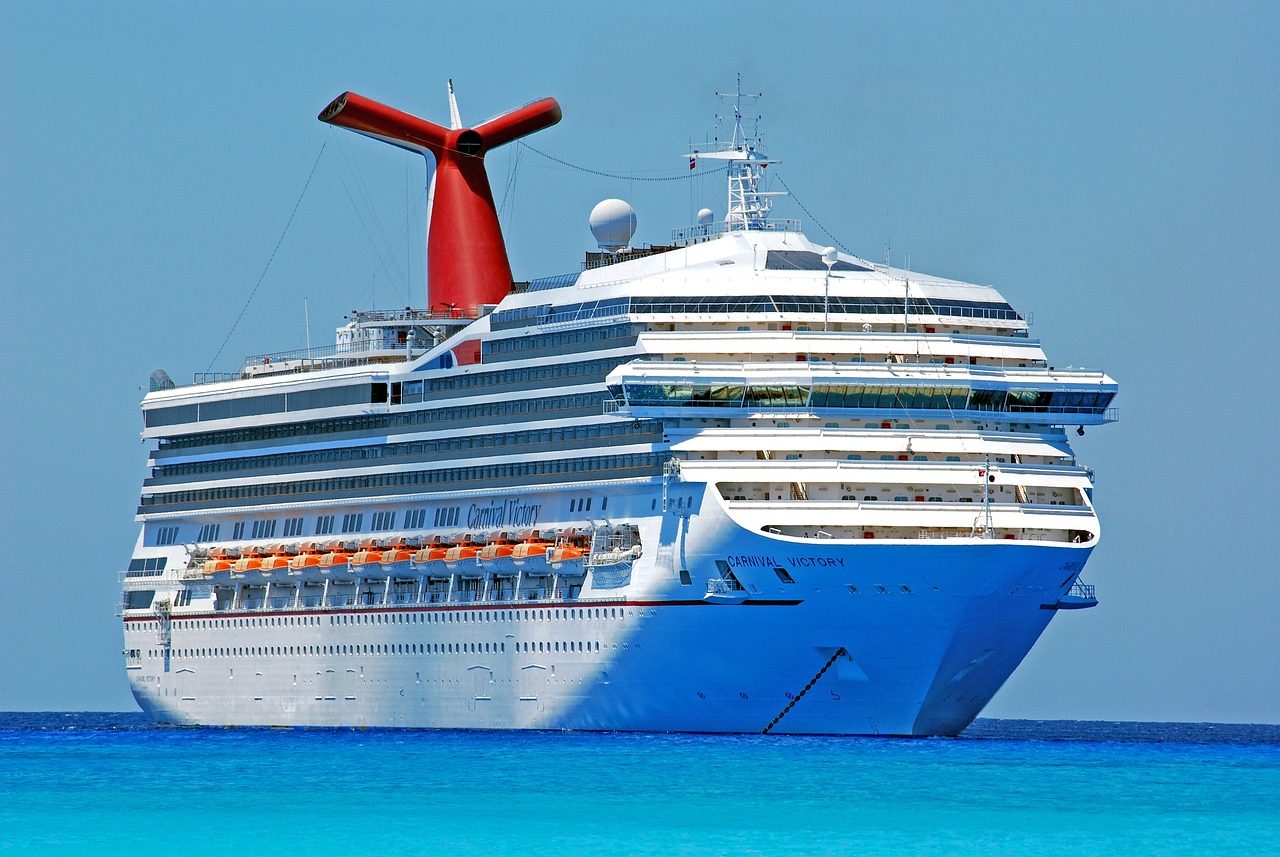
Every coastal region seems to have the same debate: bridge or ferry? The bridge is faster, almost always cheaper, and runs on your schedule. The ferry requires you to show up on time, pay per foot of vehicle, and surrender control of your day to a posted timetable. And yet, whenever there is a choice, I take the boat.
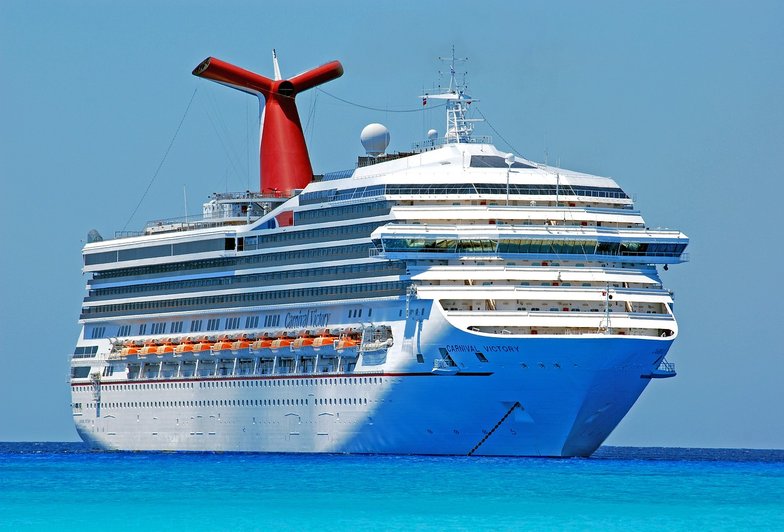
The reason is simple. A bridge is infrastructure. A ferry is an event. The moment the ramp goes up and the engine settles into its low rumble, something shifts. You are no longer driving to the coast — you are already on the water, and the trip has begun. People leave their cars. They lean on the rail. They point at things. A stranger offers you a windbreaker because the deck is colder than you expected. None of this happens on a bridge.
What You Actually See From the Deck
From a car window on a causeway, the view is a sliver between guardrails. From a ferry rail, the view is the whole horizon. Depending on where you are, that might mean working harbors with stacks of traps and tangled buoys, lighthouses standing at the mouth of a bay, seabirds riding the wake, or a pod of dolphins that appears for thirty seconds and vanishes. On longer crossings, you might pass islands that have no bridge at all — small communities where the ferry is not a novelty but a lifeline, the way groceries and mail and kids going to school have always arrived.
Pay attention to the other passengers. On the morning runs, you will see commuters with coffee, contractors with tool belts, and nurses coming off a night shift. On summer afternoons, it is families with coolers and dogs and beach chairs stacked like firewood. The ferry is one of the last places where tourists and locals share the same room, and if you listen, you learn things no guidebook will tell you — which beach has the calm water, which diner is still good, where the road washes out in a storm.
How to Do It Well
First, book ahead in summer, especially if you are bringing a vehicle. Walk-on passengers rarely need reservations, and on many routes walking on is the smart move — park on one side, cross as a foot passenger, and use local buses or your own two feet on the other. Second, arrive early. Ferry time is not like flight time; being twenty minutes early is normal and being five minutes late means watching the boat pull away without you.
Third, dress for the deck, not the destination. Even on a warm day, the wind over open water has a bite. A light jacket, a hat you can hold onto, and shoes with grip matter more than you think. Fourth, eat before you board or bring your own food — the galley is often limited to snacks and coffee, though on some longer routes the chowder is genuinely good and worth the wait.
Finally, put the phone away for the crossing. The ferry is one of the few forms of travel that cannot be rushed, optimized, or sped up. That is not a flaw. That is the entire point. Somewhere between the first blast of the horn and the bump against the dock, you get something the bridge can never give you: a real arrival.





Slower, sometimes pricier, and utterly worth it — why the water route beats the highway every time.
A few quiet signals — piers, parking, shop signs — tell you more about a coastal town than any review site.
Rain does not cancel the coast — it just changes the itinerary, and sometimes for the better.
That gray blanket is not bad weather — it is one of the coast's oldest and strangest characters.
Early mornings on the sand are cooler, emptier, and quietly better — here is how to make the most of them.