



How to Read a Seaside Town Before You Book
Choosing where to stay on the coast is usually a matter of photos and price. But the photos all look the same — blue water, warm light, a boardwalk somewhere in the middle distance. The differences that actually shape your trip are subtler, and you can often spot them before you ever book, using a map, a street view, and a little patience.
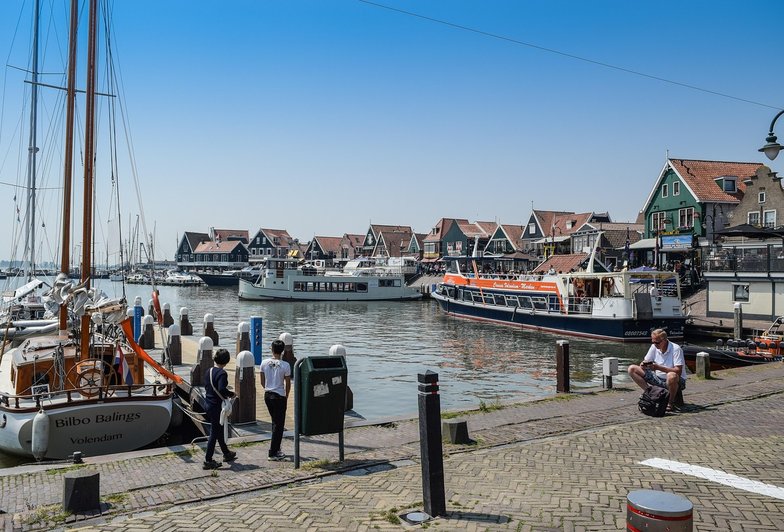
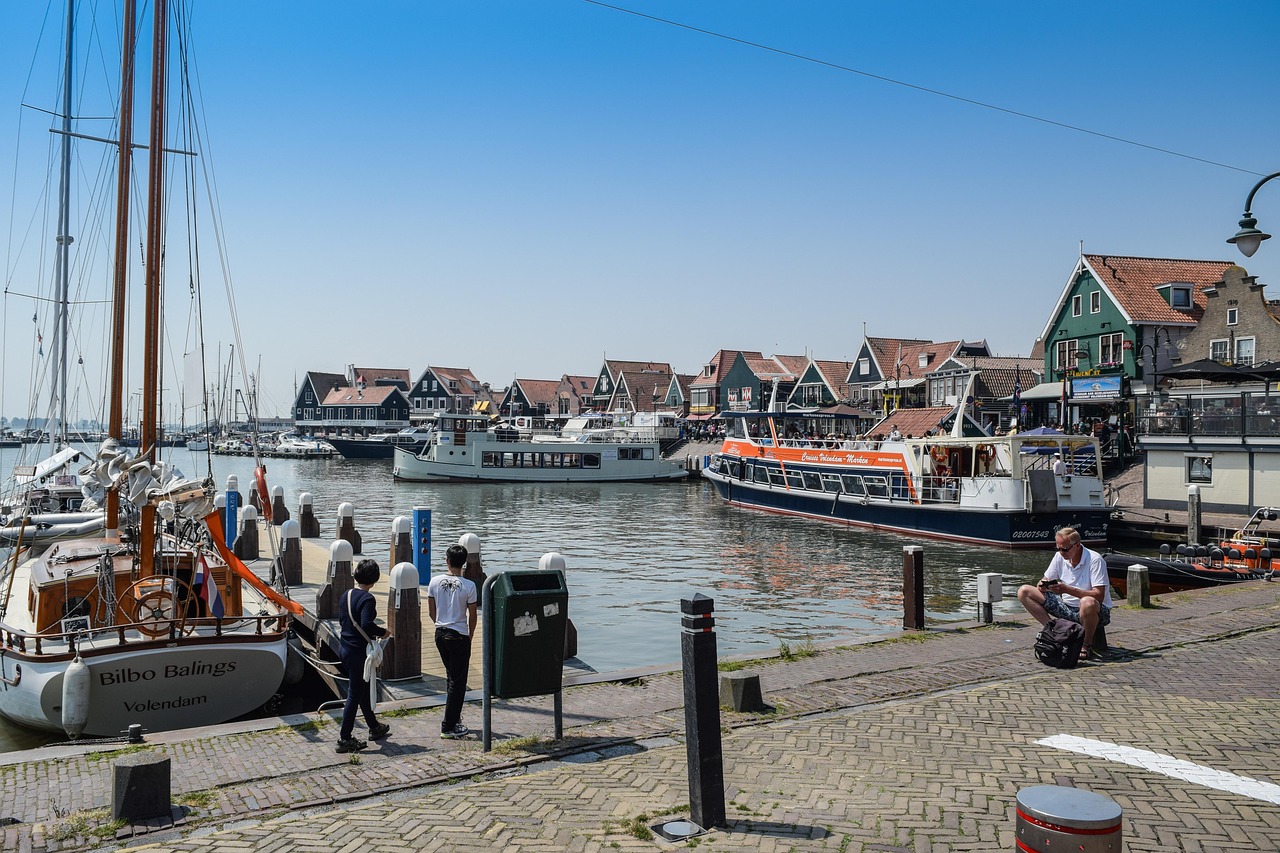
Start with the harbor. If a town still has working boats — draggers, lobster boats, a fuel dock, stacks of gear on the pier — you are looking at a place with a real economy and a real year-round population. That usually means better food, more local character, and shops that stay open past Labor Day. If the harbor is all marinas and sunset cruises, you are in a resort, which is fine, but it will feel different: prettier, pricier, and quieter in the shoulder seasons.
The Signals in the Streetscape
Next, look at parking. A town with free, easy parking everywhere is usually a town that is not crowded — sometimes a hidden gem, sometimes a town with nothing much to do. A town with meters, permit zones, and a shuttle lot is telling you it gets busy enough to need management. Neither is bad. You just want to know which one you are booking, because it determines whether you need a car, whether you can walk to dinner, and whether you will be circling the block at seven in the evening.
Then read the shop signs. A hardware store, a pharmacy, a laundromat, and a grocery that is not a boutique — these are the markers of a functioning community. A main street made entirely of galleries, ice cream, and T-shirt shops is a place built for visitors. Again, not a problem, but it changes the rhythm of your days. In a working town, you can buy sunscreen and a sandwich and a replacement buckle for your sandal. In a resort, you can buy a candle that smells like the ocean.
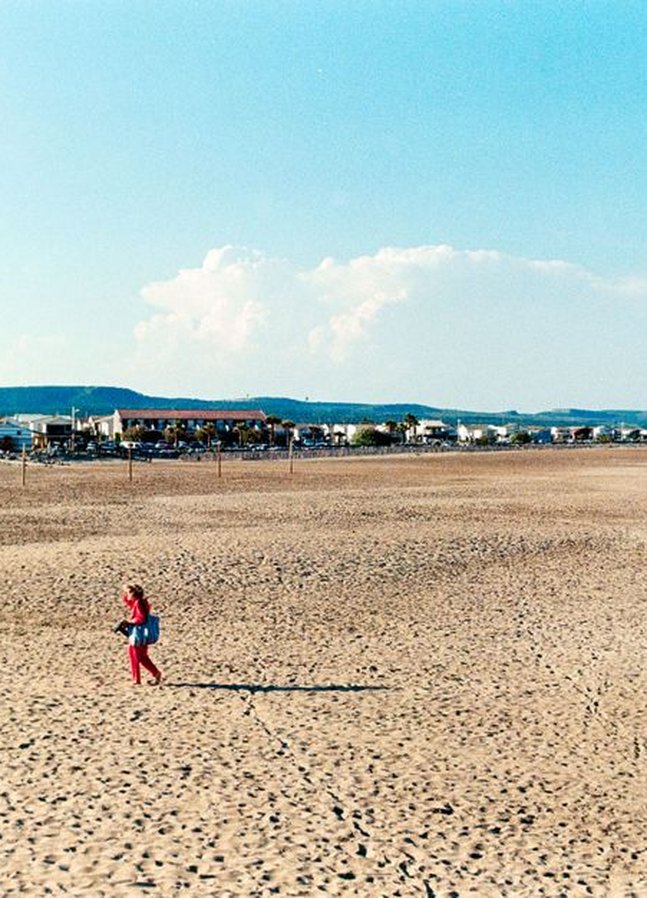
Finally, check the calendar, not just the weather. Look up when the local festival happens, when the fishing season opens, when the schools let out. A town in early June and the same town in mid-August are practically different destinations. Early season means empty beaches and unpredictable weather. Peak season means everything open and everything full. September is often the sweet spot: warm water, thin crowds, and a pace that feels like the town exhaling.
Ask the Question That Matters
If you can, call a local business — a bait shop, a bakery, a small hotel — and ask one honest question: what is it like here in the week I am thinking of coming? People who live on the coast are usually happy to tell you the truth. They will mention the fog, the road construction, the week the whole town shuts down, or the fact that the beach you saw online is a fifteen-minute drive from the village. That one phone call will tell you more than an hour of scrolling.
Booking a coastal town is not about finding the perfect postcard. It is about matching a place to the trip you actually want — busy or quiet, walkable or remote, resort or working waterfront. Learn to read those signals and you will stop being surprised, and start arriving exactly where you meant to go.





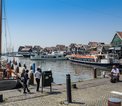

A few quiet signals — piers, parking, shop signs — tell you more about a coastal town than any review site.
Rain does not cancel the coast — it just changes the itinerary, and sometimes for the better.
That gray blanket is not bad weather — it is one of the coast's oldest and strangest characters.
Early mornings on the sand are cooler, emptier, and quietly better — here is how to make the most of them.
Visiting the shore in the shoulder months swaps crowds for calm, and it might just be the best version of the coast there is.