





The Quiet Joys of an Off-Season Coastal Town
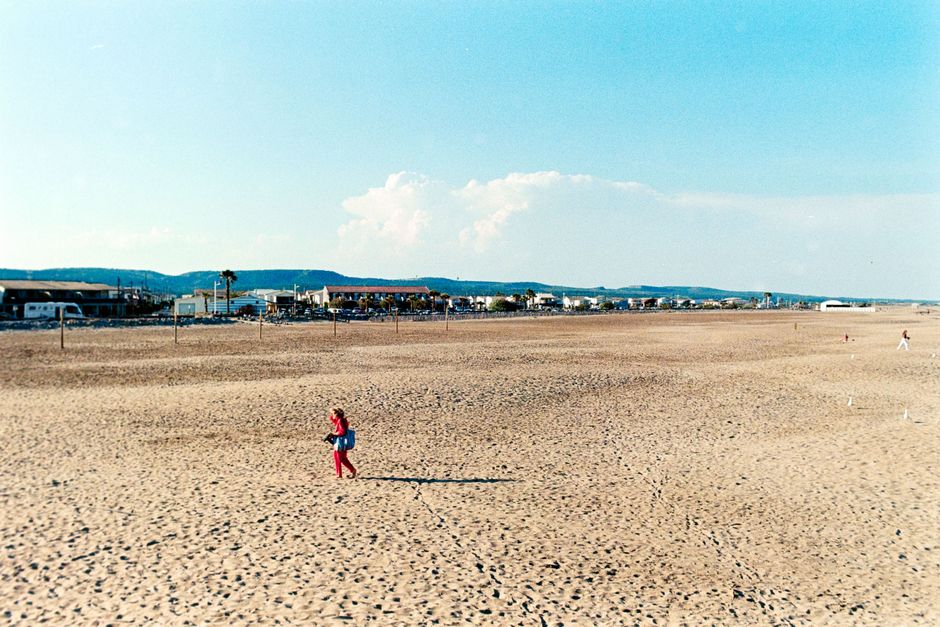
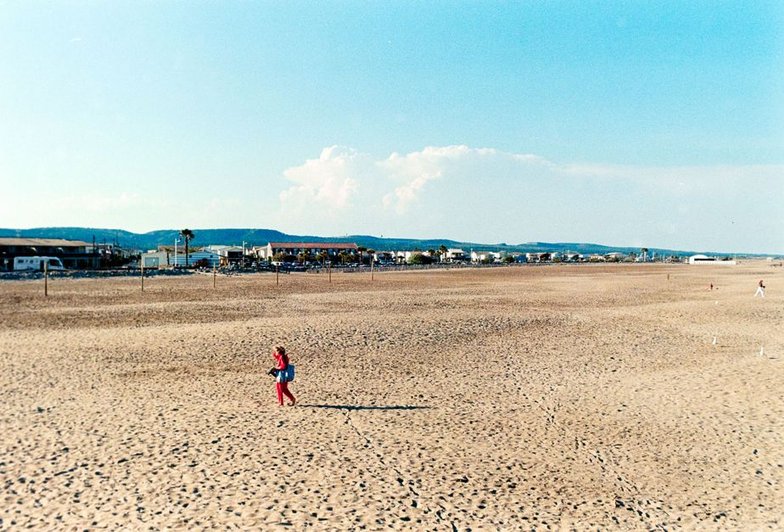
There is a particular kind of magic that settles over a seaside town once the summer crowds have packed up their umbrellas and gone home. The boardwalk that hummed with noise in July now creaks softly underfoot. The ice cream shop keeps shorter hours, and the owner has time to tell you which flavor she actually prefers. Parking is suddenly free, and the beach stretches out like it belongs to you and the gulls.
I started traveling to the coast in the shoulder seasons a few years ago, partly out of practicality and partly out of curiosity. What I found was a version of seaside life that felt less like a performance and more like a place where people simply live. The pace slows. The light turns softer. And the ocean, indifferent to the calendar, keeps doing what it has always done.
What Changes When the Crowds Leave
The most obvious shift is space. In peak season, a good spot on the sand requires an early alarm and a certain territorial instinct. In October or April, you can wander down mid-morning and still find a stretch of shoreline all to yourself. That solitude changes the experience entirely. You notice things you would otherwise miss: the way the tide carves little rivers through the sand, the specific cries of different shorebirds, the texture of shells that haven't been trampled into fragments.
The local businesses change too, and mostly for the better. Without a line out the door, the woman at the bakery counter will recommend the cinnamon roll she just pulled from the oven. The bartender at the corner pub remembers your face on the second visit. You get conversations instead of transactions, and those conversations often lead to the best discoveries, like the hidden trail to a quiet cove or the fish shack that only the year-rounders know about.
There is also the matter of price. Accommodations that cost a small fortune in July often drop to something reasonable by mid-September. The same room with the same view of the water suddenly feels like a bargain, and you can stretch a weekend into a proper stay without wincing at your bank statement.
How to Make the Most of a Shoulder-Season Visit
Packing requires a little more thought when the weather is unpredictable. Layers are your friend: a warm sweater for the morning fog, a light jacket for the breezy afternoon, and something waterproof just in case. The ocean doesn't care that it's technically spring, so bring a towel only if you're brave.
Check opening hours before you go, since some seasonal spots close entirely outside the summer months. But don't let that discourage you. The restaurants that stay open year-round tend to be the ones locals actually love, which is its own kind of endorsement.
Finally, embrace the slower rhythm rather than fighting it. This is not the time for a packed itinerary. Walk the beach at sunrise, read a book in a café window, watch the fishing boats come in. The off-season coast rewards the traveler who is willing to do less and notice more. Once you've experienced the shore this way, it becomes hard to go back to the middle of summer, when the magic is louder but somehow smaller.







Visiting the shore in the shoulder months swaps crowds for calm, and it might just be the best version of the coast there is.
Low tide reveals a whole hidden world along the rocks, and exploring it well takes just a little know-how.
The best seafood in any coastal town is rarely at the fanciest restaurant, so here's how to find where the locals actually eat.
A seaside trip rewards a light bag, so here's a practical packing list built around layers, salt air, and sand.
Setting an early alarm at the beach feels like a sacrifice until you see what the first hour of daylight actually offers.