




A Field Guide to Coastal Fog

Ask anyone who lives on the coast about fog and you will get a story. The morning the bridge disappeared. The night the foghorn ran for six hours. The afternoon the beach vanished and came back. Fog is the coast's most misunderstood weather, and once you learn to read it, it stops being an inconvenience and starts being part of the trip.
Coastal fog forms when warm, moist air moves over cold water. The air cools from below, the moisture condenses, and you get that low, thick blanket that hugs the shoreline while the inland hills stay sunny. This is why a coastal forecast can say "cloudy" while the actual experience is something much more specific: a soft gray world that muffles sound, flattens light, and makes everything look like an old photograph.
Reading the Signs
Fog has a rhythm. In many places it burns off by mid-morning and returns in the evening, which means the best beach hours are often late morning through early afternoon. In other places, especially during certain seasons, it settles in for days. Pay attention to the wind. An onshore breeze pushes fog toward land; an offshore breeze pushes it out to sea. If you can see the fog bank sitting offshore like a wall, it is often a matter of hours before it moves in or breaks up.
Temperature tells you a lot too. If the air feels cool and damp and the sun is a pale disc behind a white sky, you are in fog, not cloud. If the fog is patchy and moving, watch it — those are the days when the coast plays tricks, revealing a headland for ten minutes and then hiding it again.
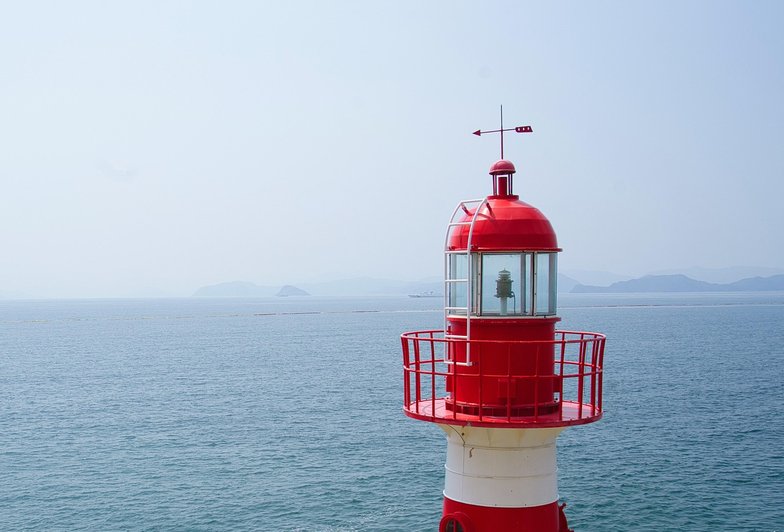
Fog is not just atmosphere. It is water, and on some coasts it is a major source of it. Redwoods and other coastal trees pull moisture directly out of fog, and the drip from their needles sustains whole ecosystems through dry summers. Fog also shapes human life: it grounded sailing ships, inspired lighthouses and fog signals, and gave coastal towns their reputation for moodiness. Whole genres of painting and writing come out of it.
How to Enjoy a Foggy Day on the Coast
First, do not cancel your plans. Fog can be beautiful. Walk a beach in fog and you will hear things you normally miss — the hiss of sand, the clatter of pebbles in the surf, voices of people you cannot see. Lighthouses and headlands in fog are dramatic in a way that clear days cannot match. Bring a camera; the light is soft and even, which is flattering for almost everything.
Second, be careful on the water and on the road. Fog cuts visibility fast, and coastal roads are often narrow and winding. Slow down, use low beams, and if you are boating, know your limits. Fog is not the time to test your navigation skills.
Third, dress for damp. Fog soaks you slowly. A light rain shell, a warm layer, and shoes that do not mind wet grass will keep you comfortable far longer than you expect. And if you get cold, there is no shame in retreating to a café and watching the gray through the window.
Most of all, give fog a chance. It is not the coast failing to be sunny. It is the coast being itself — older, quieter, and stranger than the postcard version. Sit with it for an hour and you may find it is the part of the trip you remember longest.







That gray blanket is not bad weather — it is one of the coast's oldest and strangest characters.
Early mornings on the sand are cooler, emptier, and quietly better — here is how to make the most of them.
Visiting the shore in the shoulder months swaps crowds for calm, and it might just be the best version of the coast there is.
Low tide reveals a whole hidden world along the rocks, and exploring it well takes just a little know-how.
The best seafood in any coastal town is rarely at the fanciest restaurant, so here's how to find where the locals actually eat.